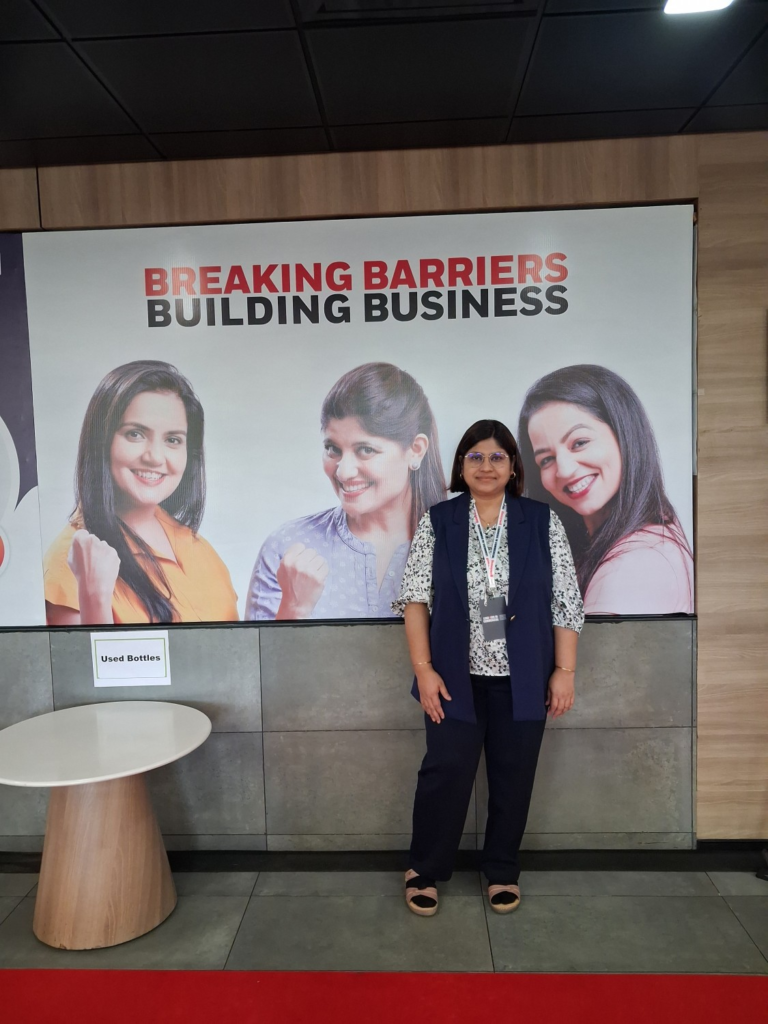
I recently had the privilege of attending the LeadHERs event, a powerful collaboration between two eminent organizations. It was inspiring to see over 80 women leaders from the manufacturing industry gather, and the symbolic empty chair on a panel was a stark reminder of the voices still missing at the top.
While such events are a fantastic step, we must be honest: they are a baby step.
We have become comfortable with the ‘D’ in DEI. We can count heads and report metrics. But we are failing at the ‘I’—Inclusion.
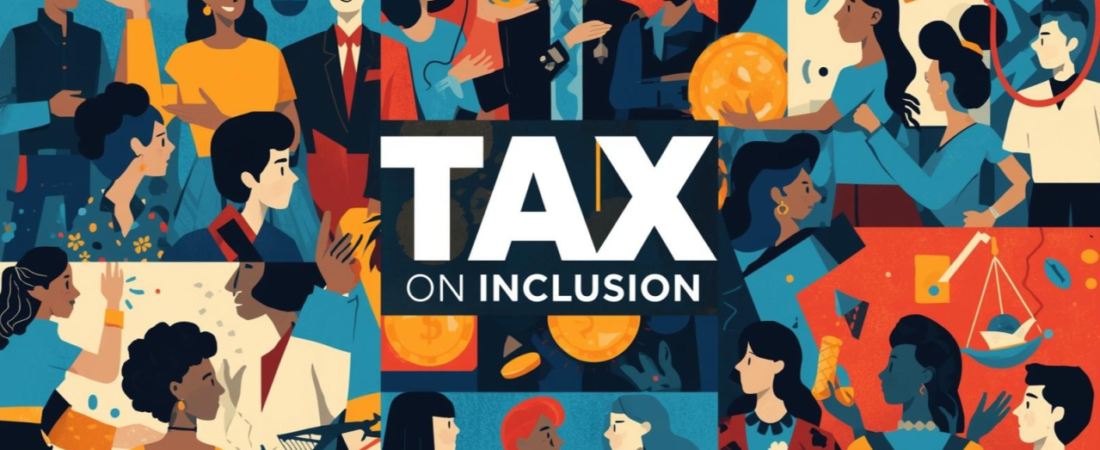
Let’s talk about the ‘Inclusion Tax’—the invisible, daily tariff many women pay that never shows up on a balance sheet but costs them their careers.
What does this ‘inclusion tax’ look like?
- When a male candidate is assessed for a leadership role, the conversation is about potential. When a woman with identical qualifications is discussed, it’s about risky or challenging decision. That’s an inclusion tax.
- When a male colleague speaks loudly in a meeting, he’s confident & authoritative. When a female colleague uses the same tone, she’s “arrogant” or “dictatorial”. That’s an inclusion tax.
- When a man becomes a father, his career gets a “stability bonus”—he’s seen as a committed breadwinner ripe for promotion. When a woman becomes a mother, her career is hit with a “commitment penalty”— her trajectory is decelerated. Paternity is treated as a bonus, maternity as a tax.
- When an older man is on the team, he’s experienced. When an older woman is, she’s vintage. That’s an inclusion tax.
- When a man negotiates his salary or promotion, he “knows his worth. When a woman does the same, she is demanding and aggressive, That’s an inclusion tax.
- A man’s business trip is essential. A woman’s is optional. That’s an inclusion tax.
“Countless such incidents that fall under the ‘inclusion tax’ occur in corporations across the globe.”
Our career pages are glossy brochures of diversity, but are we just decorating the windows of a house whose foundations are cracked?
This leads to unavoidable questions for every leader and CHRO, regardless of gender:
- Beyond panels, programs, seminars, or maybe some well-being policies, what systemic changes are we making to eliminate the ‘Inclusion Tax?
- When HR teams are often filled with women, why do we still need an empty chair to represent women in the C-suite?
- Why does one woman in the boardroom so rarely multiply into more? Can that single woman takes this charge?
The solution isn’t just another initiative. It’s a fundamental mindset shift. We must recognize that championing inclusivity is everyone’s responsibility. It is a universal responsibility that transcends gender, and it must be the norm, not a surprise.
#InclusionTax #DEI #Inclusion #Leadership #CorporateCulture #WomenInLeadership #GenderEquity #ViksitBharat