
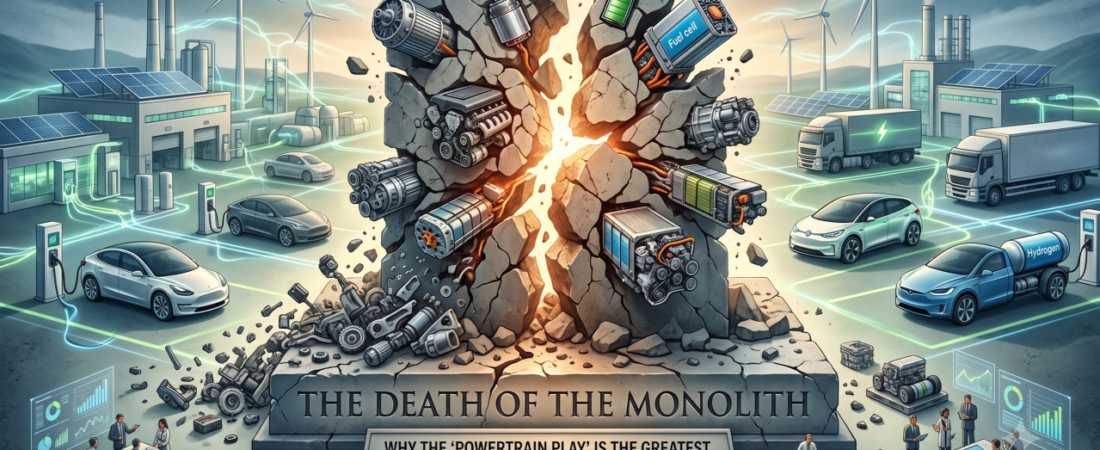
For years, buying or selling a car was straightforward. Most people bought standard petrol or diesel vehicles, and companies built large volumes of the same basic models.
That simple approach no longer works.
The latest industry numbers show that buyers are not simply moving from petrol to fully electric vehicles (EVs). Instead, customers are splitting across multiple different engine and fuel types:
- Electric Two-Wheelers Are Booming: Electric scooter and bike sales have already broken annual records in just eight months (over 1.35 million units registered), while popular electric cars and scooters face waiting periods of 3 to 4 months.
- Hybrids Are Getting More Accessible: New plug-in hybrid SUV models (PHEVs) are offering strong competition to traditional hybrids, using battery subscription plans to keep upfront purchase prices lower.
- CNG and Alternate Fuels Are Rising Fast: Alternative fuels reached over 40% share of passenger vehicle sales in July, with CNG expanding from small budget cars into popular midsize SUVs.
- Running Costs Drive Decisions: High fuel prices and concerns over ethanol-blended petrol efficiency are leading consumers to calculate day-to-day running costs much more carefully.
The High Cost of Multiple Options
Because consumer preferences vary widely between city drivers, highway commuters, and small-town buyers, automakers cannot rely on a single technology.
Car companies now have to build several versions of their models—pure EVs, hybrids, CNG, and petrol. Developing all these options simultaneously requires massive investment, strains factory supply chains, and creates waiting lists for in-demand battery packs and specific variants.
What Matters Next for the Industry
- Flexible Manufacturing: Companies need vehicle platforms that can easily adapt to different fuel and battery types without massive redesign costs.
- Securing Key Parts: Resolving bottlenecks around imported battery cells and raw materials is crucial to keeping production on schedule.
- Building Buyer Confidence: Offering longer battery warranties (up to 10 years) and flexible purchase models helps remove hesitation for everyday drivers.
The market is no longer dominated by one single fuel type. Success now belongs to the companies that can manage multiple options efficiently.
What do you think: Will electric cars eventually take over completely, or will we keep using a mix of petrol, hybrid, and CNG for the next decade?
#Automotive #EVs #HybridVehicles #CNG #MobilityTrends #BusinessStrategy #Leadership